Cyber Risk is a Myth – Security Risks ARE Business Risks
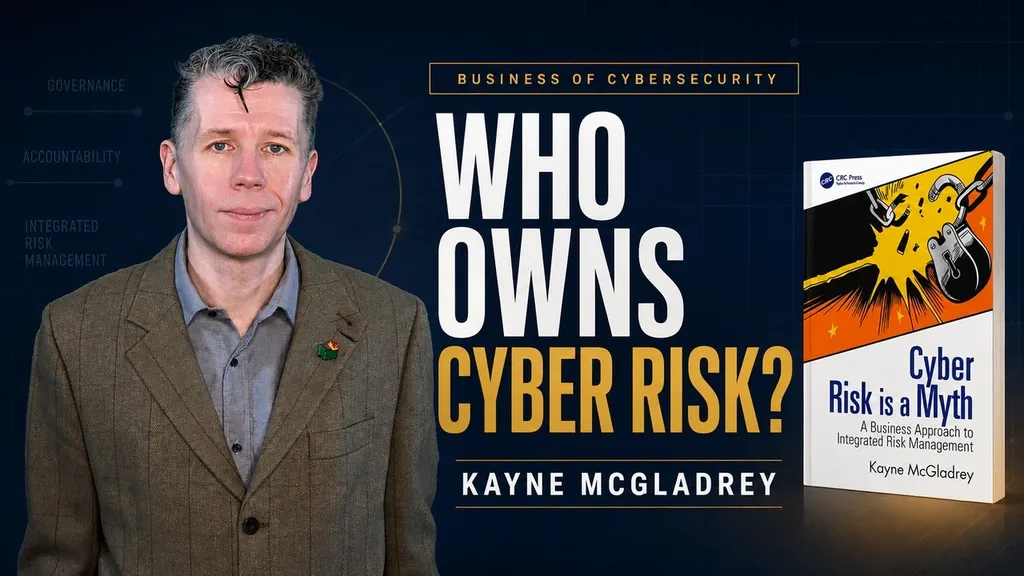
There is no meaningful difference between a manufacturing plant going offline from ransomware or a hurricane. The business impact is the same. My new book from CRC Press removes the artificial separation between cybersecurity and enterprise risk.
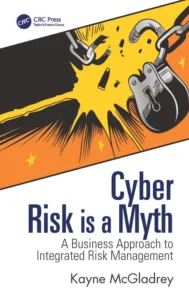
Stop Speaking Two Languages About the Same Risk
In boardrooms everywhere, security teams talk about vulnerabilities and patches while executives think in revenue, reputation, and operational continuity. This communication gap isn’t just inconvenient. It’s financially devastating. Drawing on court cases, stock market data, and hard evidence, this book establishes a practical premise: when properly understood and communicated, security risks require the same frameworks, language, and decision processes as any other business risk.
Validation campaign runs September through December 2026. If 50 professionals join the self-paced track or 10 reserve cohort spots, the companion course launches in January 2027.
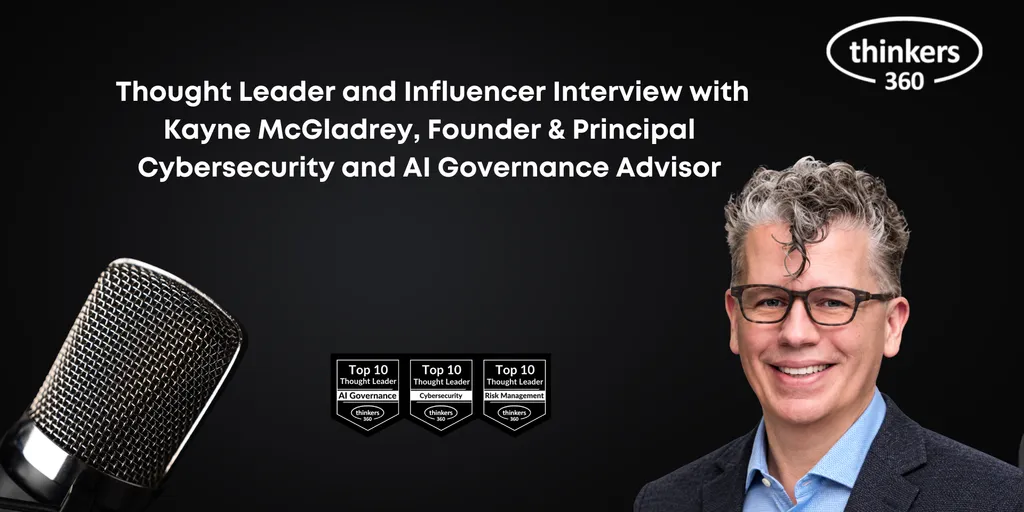
I’m Kayne McGladrey, and I help organizations eliminate the artificial distinction between cybersecurity risk and business risk. Through executive-level advisory and targeted regulatory guidance, I help leaders make confident, risk-aware decisions using the same frameworks for security as they would for any other business risk. I also deliver keynote talks and have been featured on ABC News.
Executive Cybersecurity Advisory
I also provide Virtual CISO advisory for growing firms that need CISO-level insight without the full-time overhead. Retainers start at $4,000/month. Learn more about vCISO services.
Bridging Cybersecurity and Business Risk
For growing companies, cybersecurity isn’t just an IT issue, it’s a business enabler. I help SMBs and mid-market firms translate technical risks into clear business outcomes, enabling founders and boards to make confident, risk-aware decisions. Operating as an executive advisor rather than technical implementer, I partner with your existing MSPs and IT staff to align strategy with operations. By aligning security strategies with growth objectives, we turn compliance into a competitive advantage that attracts investors and enterprise customers.
Navigating the Challenges of Compliance
Compliance shouldn’t stall your momentum. I guide startups and scaling firms through the complexities of SOC 2, ISO 27001, and other regulations without the overhead of a full-time team. Using my GRC Maturity Model, I help to build pragmatic frameworks that satisfy auditors and secure deals, turning regulatory hurdles into a streamlined path for market expansion.
Preparing for the Future of Regulation
The regulatory landscape is shifting fast, especially with AI and data privacy developments. I help forward-thinking organizations stay ahead of the curve with horizon scanning and practical adaptation strategies. I prioritize the frameworks that impact your ability to operate and sell – whether that means meeting new insurance mandates or preparing for upcoming tech legislation. My goal is to ensure your security posture is resilient and ready for tomorrow’s requirements, protecting your reputation and your bottom line.
Cybersecurity Strategy for Growing Companies

My work focuses on:
- Translating technical risk into clear business outcomes for founders, boards, and executives who need CISO-level insight without the full-time overhead.
- Building GRC frameworks that turn compliance into a deal-maker, so you can close enterprise contracts that require SOC 2 or ISO 27001.
- Preparing growing companies for the regulations that actually matter to you – like cyber insurance requirements and client security questionnaires – so you can sell with confidence.
I offer Virtual CISO services to help companies align their cybersecurity stance with actionable business risks. I’m also open to paid interviews, sponsored articles, and webinars for brands in cybersecurity and AI governance. If you’re looking for expert content that’s human-written and backed by 250+ media features, check out my Partnerships page for rates and details.
Latest Blog Articles
-
The Malware That Ate Augusta
ARcare, the Augusta, Arkansas health network, used its April 2022 notice to patients to describe an incident as involving “a limited amount” of personal and medical information, and framed the mailing as something it was doing “out of an abundance of caution.” The press release went up on April 25, 2022, but it didn’t say…
-
The Fix Was Free. Finding Every Copy Was Not.
Government websites across Europe went dark on October 21, their operators pulling systems offline within hours of a PHP security release that fixed two critical remote-code-execution bugs. The patch was public within hours of the disclosure, which means somebody competent did the hard work in advance and handed everyone else a tested fix. Plenty of…
-
SOC 1, SOC 2, and SOC 3 Are Three Answers to Three Different Questions
A story plays out on r/soc2 every few weeks. A company has been handing every prospect a SOC 2 report, things are going fine, and then a customer’s finance team comes back asking specifically for a SOC 1. Panic spreads through the company’s Slack channels, followed by a post asking what the difference even is….



News and Podcasts
Post Types
Frequently Asked Questions
Glossary
Testimonials

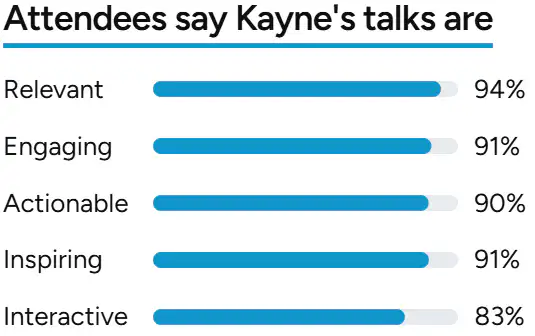
Covered serious information
with the style and grace of a speaker who actually understands the subject and knows it’s an uncomfortable topic but needs to be discussed (see talk report from September 18, 2025)

Very inspiring
and can help put cyber risks into terms that facilitate understanding for business folks. (see talk report from April 24, 2025)
The topic covered is something that every security person should know
and be aware of. This is what helps us justify our team, tools, and growth. (see talk report from Apr 3, 2025)
Skills for cutting through complexity
and simplifying tasks to get results in managing risks. (see talk report from Oct 31, 2025)